









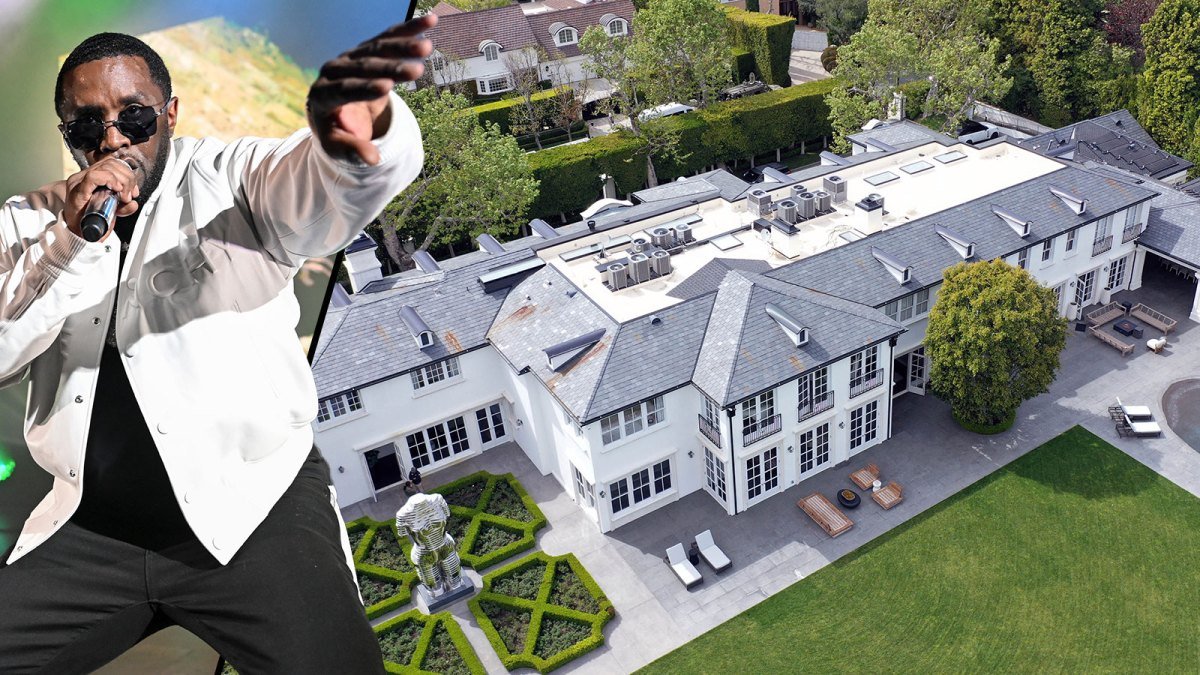
There are homes that sell themselves. Ocean views, grand sthttps://botaibusiness.com/aircases, celebrity pedigree — sometimes a property practically writes its own listing. And then there are homes like this one. The kind where the address alone makes a realtor pause before picking up the phone. The Diddy mansion stigma has become one of the most talked-about real estate phenomena in recent memory, and for good reason. When scandal, federal raids, and cultural fallout collide with luxury property, what you’re left with isn’t just a house — it’s a headache worth tens of millions of dollars that nobody quite knows what to do with.
So the real question isn’t just whether these properties will sell. It’s whether they can.
Who Is Diddy? A Quick Biography
Before we dive into the property drama, it helps to understand just who we’re talking about and why his name carries so much weight — and now, so much controversy.
| Detail | Information |
|---|---|
| Full Name | Sean John Combs |
| Date of Birth | November 4, 1969 |
| Age | 55 (as of 2025) |
| Profession | Music Producer, Rapper, Entrepreneur |
| Nationality | American |
| Net Worth (approx.) | Estimated $400 million (disputed following legal proceedings) |
| Notable Works/Achievements | Founded Bad Boy Records, discovered and produced artists including The Notorious B.I.G., Mary J. Blige; Grammy Award winner; founder of Cîroc vodka partnership; Sean John fashion line |
Sean Combs built one of the most recognizable brands in entertainment history. At his peak, he was a symbol of hip-hop wealth, ambition, and cultural influence. His properties reflected that. Lavish. Sprawling. Unmistakably his. Which is precisely why the stigma attached to them now cuts so deep.
What Exactly Is the Diddy Mansion Stigma?

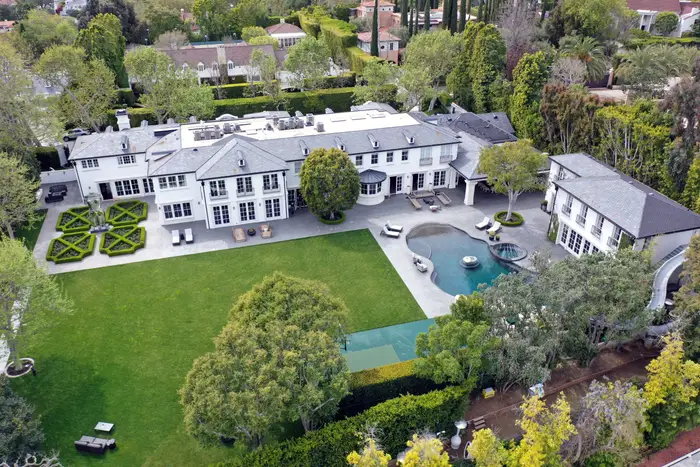
Let’s be clear about what we mean when we talk about the Diddy mansion stigma. It’s not just bad press. It’s not a temporary dip in foot traffic at an open house. Stigma in real estate is a legally recognized concept in many U.S. states — a psychological cloud that hangs over a property long after the physical evidence is gone.
In Diddy’s case, federal agents raided his properties in March 2024, including his Los Angeles home in Holmby Hills and his Miami estate. Images and footage from those raids circulated widely. The properties became synonymous with the allegations against him — allegations involving serious criminal conduct, trafficking claims, and years of alleged misconduct.
That kind of association doesn’t fade quickly. In fact, for luxury real estate, it can be devastating.
Why Stigma Hits Luxury Properties Harder
You might think that a $50 million estate would attract buyers who don’t care about history. Wealthy people, the logic goes, are pragmatic. They see value, they make offers, done.
But that’s not how it works. Luxury buyers are, if anything Diddy Mansion Stigma, more sensitive to stigma than average homebuyers. Here’s why:
- Reputation matters immensely at the top of the market. Nobody wants to host a dinner party in a home that guests immediately recognize from a federal raid broadcast.
- High-profile buyers have brand images of their own to protect. Associating yourself with a tainted property can generate unwanted press.
- Resale value concerns are amplified. If a luxury buyer purchases a stigmatized estate today, who buys it from them in ten years?
- The emotional component of luxury buying is huge. These aren’t investment purchases — they’re lifestyle statements. Nobody wants their lifestyle statement to be this.
The Diddy mansion stigma, in this context, is almost uniquely powerful. Few scandals have been as publicly documented, as visually dramatic, or as culturally pervasive as what unfolded around Combs in 2024 and beyond.
The Real Estate Aftermath: What Happens to These Properties?
The Holmby Hills Estate
The Los Angeles property, a sprawling compound in one of the most prestigious zip codes in the country, sat in the crosshairs of the March 2024 federal raid. Homes in Holmby Hills don’t come up often. When they do, they command staggering prices. But what happens when a property carries this level of notoriety?
Historically, stigmatized properties in Los Angeles have sold — eventually — but at significant discounts. The Menendez family home, the O.J. Simpson property, even the Manson murder house all eventually transferred hands. However, they did so years later, often under new addresses, with extensive renovations, and sometimes at prices well below comparable neighborhood listings.
The Diddy mansion stigma operates in a similar psychological space, but with one additional layer of complexity: the legal proceedings surrounding Combs are ongoing. When the story isn’t closed, the stigma doesn’t close either. Every court date, every headline, every social media resurgence reopens the wound for any potential buyer considering making an offer.
The Miami Property
The Miami estate presents a slightly different case. Florida’s real estate market has been aggressive in recent years, drawing wealthy buyers from across the country and internationally. There’s an argument to be made that a large enough price reduction could attract a buyer who sees the property’s bones — the square footage, the waterfront access, the architectural detail — as worth the reputational baggage.
However, even that argument has limits. The Diddy mansion stigma is not a local story. It’s a global one. International buyers with the means to purchase at that price point are just as likely to have seen the coverage as anyone in Miami’s Brickell or Coral Gables neighborhoods.
What Does Stigma Actually Do to Property Value?
This is where it gets genuinely interesting from a real estate economics standpoint. Research on stigmatized properties — sometimes called “psychologically impacted” properties in legal circles — consistently shows measurable financial damage.
Studies have found that homes associated with violent crime or high-profile scandal can lose anywhere from 10 to 30 percent of their market value immediately following the event. In some extreme cases, the discount is even steeper. And the recovery curve is slow. Properties can take five to fifteen years to fully normalize in the market, assuming they ever do.
For a $50 million estate, even a 20 percent discount represents a $10 million haircut. That’s not a minor adjustment. That’s a seismic shift in what the asset is worth on paper versus what someone will actually pay.
Moreover, the carrying costs during the period of stigma are real and ongoing. Property taxes, maintenance, security, insurance — none of that pauses while the market figures out what to do with the home. The estate becomes an expensive waiting game.
Disclosure Laws Add Another Layer
In California, sellers are required to disclose known material facts that could affect a buyer’s decision. The question of whether a federal raid — and the allegations tied to it — constitutes a disclosable event is one that real estate attorneys are actively debating. In some states, psychological stigma must be disclosed. In others, it doesn’t have to be unless a buyer directly asks.
This creates an uncomfortable dynamic. Sellers want maximum price. Buyers want full information. And the Diddy mansion stigma sits right in the middle of that tension, making negotiations more complicated than any standard luxury transaction.
Who Would Actually Buy a Stigmatized Celebrity Home?
It might surprise you, but there is a buyer profile for properties like this. They’re rare, but they exist.
The Flipper With Vision
Some real estate investors specifically target stigmatized properties precisely because of the discount. They come in, do a complete renovation — sometimes including renumbering the address — and resell once enough time has passed and the news cycle has moved on. This strategy works, but it requires patience, capital, and a thick skin.
The Publicity Seeker
Uncomfortable as it is to say, some buyers are attracted to notoriety rather than repelled by it. Think true crime tourism, underground celebrity culture, the kind of person who sees a headline property as a conversation piece rather than a liability. These buyers exist at every price point, though they’re less common at the ultra-luxury level.
The International Buyer With Limited U.S. Context
For someone purchasing from overseas, the specific cultural resonance of the Diddy mansion stigma may be less acute. They may know Diddy the music figure without having absorbed every detail of the U.S. media coverage. This buyer could be a realistic candidate — particularly if the price represents genuine value against comparable global luxury properties.
Can Renovation Erase Stigma?
In short — partially. Renovation is one of the most commonly recommended strategies for addressing stigmatized property, and there’s logic behind it. Changing the physical environment changes the psychological association. New floors, new paint, new fixtures — the space looks different, feels different, and over time, a new identity begins to take hold.
But renovation has limits when it comes to the Diddy mansion stigma. The issue isn’t what’s inside the walls. It’s what lives in the cultural memory. As long as the address, the footage, and the name remain associated in the public consciousness, bricks and mortar can only do so much.
Some sellers go further. They seek to rezone or subdivide the property, change the street number, or rebrand the estate entirely with a new name and repositioned listing. These tactics can help at the margins. But they rarely erase stigma entirely — they just make it harder to find.
The Broader Conversation: Celebrity Real Estate and Moral Markets
The Diddy mansion stigma opens up a genuinely fascinating conversation about how morality intersects with markets. In theory, real estate is rational. Price discovery happens through comparable sales, market conditions, and negotiation. In practice, emotion — and ethics — shape buyer behavior constantly.
We’ve seen this play out in other contexts. Properties linked to Ponzi scheme operators, cult leaders, and convicted executives all carry similar shadows. The market punishes association, even when the property itself is faultless.
What makes this case particularly striking is the scale. These aren’t mid-range suburban homes. They’re landmark estates in iconic neighborhoods. The gap between what they should be worth on paper and what they might actually sell for represents one of the starkest examples of stigma pricing in recent real estate history.
H4: Will Time Heal the Diddy Mansion Stigma?
Time is typically the most powerful antidote to stigmatized property. Memories fade. News cycles move. Buyers who had no connection to the original events eventually enter the market.
However, the internet has fundamentally changed the timeline. A property scandal from 1995 might have faded from public memory within a few years. Today, every detail is archived, searchable, and shareable forever. The Diddy mansion stigma will be one Google search away from any serious buyer, likely for the rest of time.
That doesn’t mean the properties will never sell. It means the recovery arc is longer, the discount deeper, and the buyer pool narrower than it would have been a generation ago.
Conclusion: A Sale That Will Happen — But at a Cost
Here’s what we know for certain. The Diddy mansion stigma is real, it’s measurable, and it’s not going anywhere quickly. These properties will eventually sell. Real estate always does. But the price, the timeline, and the circumstances will reflect every ounce of notoriety attached to the name.
For real estate professionals, this case is a masterclass in the limits of location and luxury when stigma enters the picture. For buyers, it raises genuine questions about value, reputation, and what they’re willing to accept in exchange for a discount. And for the rest of us watching from the sidelines, it’s a fascinating window into how markets handle things that money alone cannot clean up.


