


Introduction
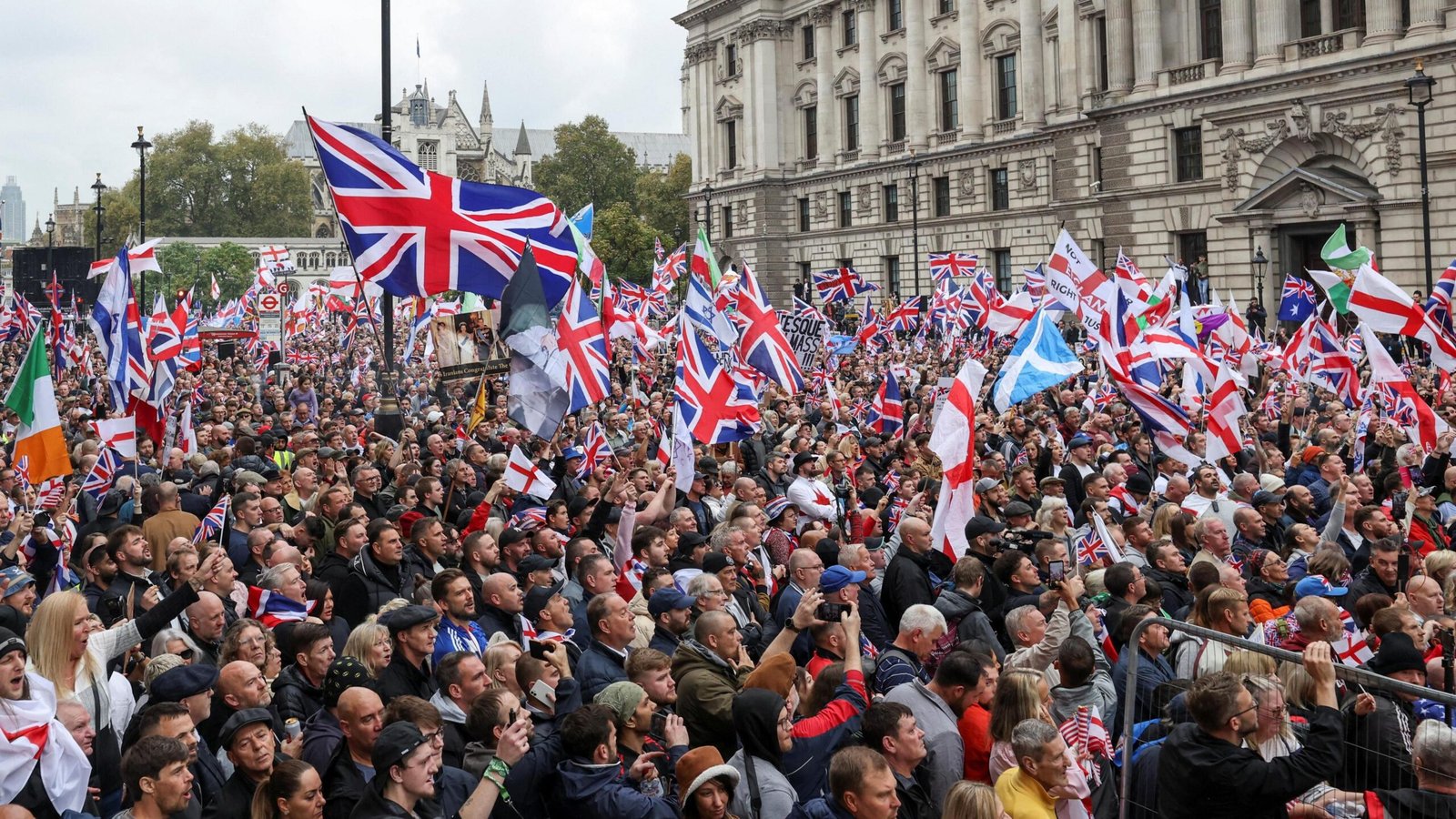
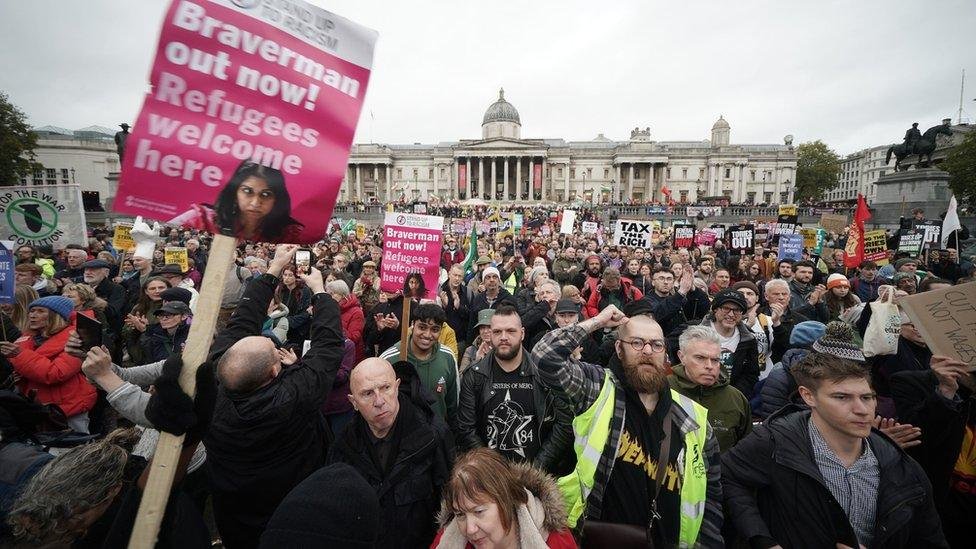
London has always been more than a capital city. It is a stage where voices rise, ideas clash, and movements begin. Walk through Trafalgar Square or past the gates of Parliament, and you’re walking through places where history has been shaped by ordinary people demanding change.
The story of London protests is deeply tied to democracy, civil rights, and social activism. From historic marches demanding voting rights to modern demonstrations over climate change and political decisions, the streets of London have repeatedly become platforms for public expression.
What makes London unique is the diversity of voices that come together during demonstrations. Workers, students, activists, community leaders, and everyday citizens gather to advocate for causes they believe in. Sometimes these protests are peaceful rallies. Other times they evolve into large-scale movements that influence national and global discussions.
This article explores the history, motivations, and societal impact of London protests, explaining why the city continues to be one of the world’s most active hubs for public demonstrations.
The Historical Roots of London Protests
Public demonstrations in London date back centuries. Long before modern activism, crowds gathered in the city to demand political reform, challenge authority, or protest economic hardship.
In the 18th and 19th centuries, London became the center of political agitation in Britain. Movements such as workers’ rights campaigns and suffrage activism used mass gatherings to demand representation.
Early Political Demonstrations
One of the most significant early examples was the Chartist movement during the 1800s. Workers marched through London demanding voting reforms, fair representation, and improved labor conditions.
These demonstrations helped shape modern democratic principles, showing that London protests could influence political institutions.
Suffrage Movement
In the early 20th century, suffragettes organized rallies and marches throughout the city.
Women gathered outside government buildings, demanding the right to vote. Their persistence eventually helped secure voting rights for women in the United Kingdom.
These protests demonstrated how grassroots activism could transform national policy.
Why London Is a Center for Protest Movements
London’s role as the political and cultural heart of the United Kingdom makes it a natural location for demonstrations.
Several factors explain why London protests occur frequently.
1. Political Institutions
The presence of Parliament, government offices, and embassies means protesters can directly address policymakers.
2. Global Visibility
London is one of the world’s most internationally connected cities. Demonstrations here often receive global media attention.
3. Public Spaces
Large gathering locations such as Hyde Park, Parliament Square, and Trafalgar Square provide ideal spaces for rallies and speeches.
4. Democratic Tradition
The United Kingdom has a long tradition of public protest and freedom of expression.
These factors combined make London a focal point for social movements.
Major Locations for London Protests
Certain areas in the city have become iconic protest venues.
Trafalgar Square
Trafalgar Square has hosted countless rallies and public speeches. The central location makes it easily accessible for large crowds.
Parliament Square
Located directly outside the Houses of Parliament, Parliament Square is a symbolic place for political demonstrations.
Hyde Park
Hyde Park’s Speaker’s Corner is famous for public debate and open speech. Activists frequently gather here to discuss social issues.
Downing Street
Protests outside the Prime Minister’s residence often occur when political decisions spark public debate.
These locations are deeply connected to the identity of London protests.
Common Causes Behind London Protests
Not every protest is the same. Demonstrations occur for many different reasons.
Below are some of the most common causes.
Political Demonstrations
Political protests often focus on government policies, elections, or international relations.
Examples include:
- opposition to government decisions
- calls for policy reforms
- reactions to political scandals
Social Justice Movements
Activists frequently organize rallies around issues such as:
- racial equality
- gender rights
- immigration policies
- economic inequality
These movements highlight how London protests serve as platforms for marginalized voices.
Environmental Activism
In recent years, climate activism has become one of the most visible protest movements in London.
Environmental groups organize marches and demonstrations demanding stronger climate policies and sustainable practices.
Economic and Labor Issues
Workers and unions sometimes gather to advocate for:
- fair wages
- better working conditions
- labor protections
These protests continue the long tradition of workers’ rights activism in the city.
How Protests Are Organized
Modern demonstrations require careful planning.
Organizers typically coordinate through several channels.
Social Media Platforms
Online platforms allow activists to spread information quickly.
Announcements about protest dates, meeting points, and campaign goals often circulate widely across social media.
Grassroots Networks
Community groups, student organizations, and advocacy groups often collaborate to mobilize participants.
Permits and Coordination
In many cases, protest organizers coordinate with local authorities to ensure safety and manage large crowds.
This planning helps maintain order during London protests.
The Role of Police During Protests
Law enforcement plays a critical role during demonstrations.
The Metropolitan Police typically monitor protests to ensure public safety.
Their responsibilities include:
- managing crowd control
- protecting public property
- preventing violence
- maintaining traffic flow
While most protests remain peaceful, authorities must remain prepared for unexpected developments.
Peaceful Protest and Public Expression
A defining feature of London protests is the strong tradition of peaceful assembly.
Many demonstrations involve:
- marches through central streets
- speeches by activists
- signs and banners highlighting causes
- chanting and public messaging
These activities help protesters communicate their message without resorting to violence.
Peaceful protest is widely seen as an essential component of democratic societies.
The Impact of London Protests on Society
Public demonstrations can influence society in several important ways.
Political Awareness
Protests often draw attention to issues that might otherwise receive little public discussion.
Media Coverage
Large demonstrations attract journalists and news organizations, amplifying the message globally.
Policy Change
Throughout history, some protests have directly influenced government decisions.
Social Solidarity
Protests bring people together, building communities around shared goals.
These outcomes show why London protests remain powerful tools for civic engagement.
Notable Modern London Protests
Over the past two decades, several major demonstrations have taken place in the city.
Anti-War Demonstrations
Large crowds gathered in London to protest international military conflicts, creating some of the biggest marches in British history.
Climate Activism
Environmental activists have organized highly visible protests to demand action on climate change and sustainability.
Equality and Human Rights Marches
Marches advocating racial justice, gender equality, and LGBTQ+ rights have drawn thousands of participants.
These events highlight the evolving nature of London protests and the causes that inspire them.
Public Opinion on Protests
Not everyone views protests in the same way.
Some people believe demonstrations are essential for protecting democratic freedoms. Others worry about disruptions to daily life or public order.
However, most political experts agree that peaceful protests play a vital role in open societies.
They allow citizens to express dissatisfaction, demand accountability, and influence public debate.
Challenges Facing Modern Protest Movements
Organizing large demonstrations is not always easy.
Activists often face several challenges.
Legal Regulations
Protest laws and public safety regulations can affect how demonstrations are organized.
Public Perception
Media narratives sometimes shape how protests are viewed by the public.
Coordination Difficulties
Large events require coordination between many groups and participants.
Despite these challenges, London protests continue to attract participants from across the country.
The Role of Technology in Modern Protests
Technology has dramatically changed how protests are organized.
Digital tools allow activists to:
- share live updates
- broadcast demonstrations online
- coordinate events quickly
- reach global audiences
As a result, protests that start locally in London can quickly gain international attention.
The Future of London Protests
Public demonstrations are unlikely to disappear.
As societies evolve and new challenges emerge, citizens will continue using protests to express their views.
Future London protests may focus on issues such as:
- climate change policies
- artificial intelligence regulations
- economic inequality
- global human rights
These movements will continue shaping the conversation about justice, democracy, and social responsibility.
Conclusion
London has long been a city where ideas are debated and voices are heard. From historical reform movements to modern activism, the tradition of public demonstration remains deeply embedded in the city’s identity.
The story of London protests reflects the power of collective action. When people gather to demand change, they remind governments and institutions that democracy depends on public participation.
Whether focused on political reform, environmental protection, or social justice, protests provide citizens with a way to stand together and express their concerns.
Understanding the history and significance of these demonstrations helps us appreciate the role they play in shaping society.
