



When it comes to building an online presence, one of the most important decisions you’ll face is the type of website to create. You might be considering a dynamic site that updates frequently or a static one that is more straightforward and efficient. If you’re a business owner, digital marketer, or developer, choosing the right type of site can make all the difference in your search engine rankings, user experience, and overall website performance. In this article, we will dive into the 5 key benefits of choosing an SEO static website for achieving SEO success.
Static websites are often overlooked in the age of complex dynamic sites, but they offer a host of benefits when it comes to search engine optimization (SEO). With the right strategy, a static website can help you skyrocket your rankings, increase user engagement, and ultimately lead to more conversions. But what makes static websites so powerful for SEO? Let’s explore.
What is an SEO Static Website?
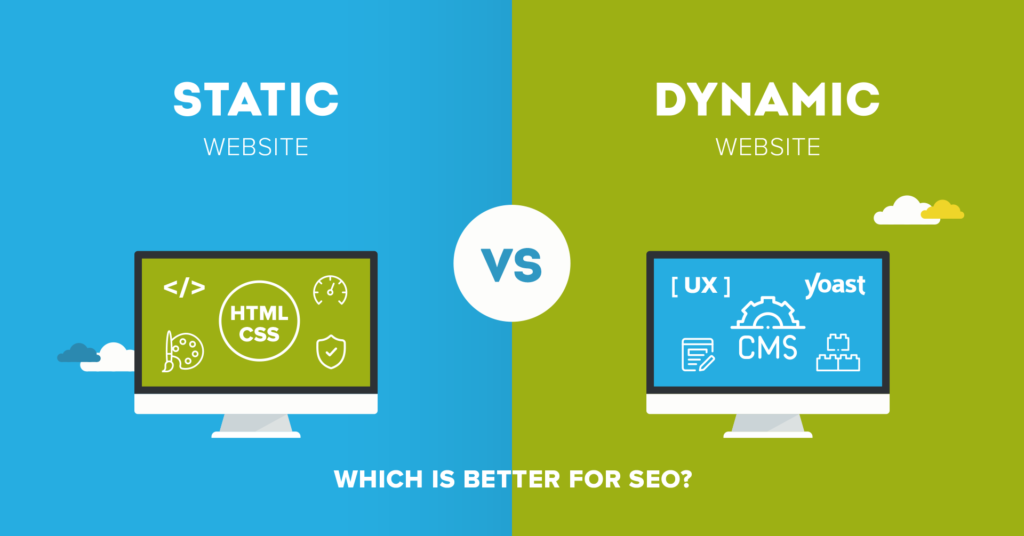
Before we dive into the benefits, let’s quickly define what an SEO static website is. A static website consists of web pages that are pre-built and stored on a server. Unlike dynamic websites, which pull content from a database and generate pages on-the-fly, static websites display the same content to all visitors every time they access the page. This means the content remains unchanged unless manually updated, making the website faster and easier to manage.
The simplicity of static websites doesn’t mean they lack power. In fact, when optimized for SEO, static websites can outperform their dynamic counterparts in certain areas. They load faster, offer a better user experience, and are more straightforward for search engines to crawl. Now, let’s take a look at the 5 benefits of choosing an SEO static website.
1. Faster Load Times = Better User Experience & SEO
One of the most significant benefits of a static website for SEO is the faster load times. Since the content is already pre-built and doesn’t require processing from a database, static pages load significantly faster than dynamic ones. This speed advantage can make a huge difference in both user experience and search engine rankings.
Why Speed Matters
Page speed is a critical factor in Google’s ranking algorithm. A website that loads quickly is more likely to rank higher in search results compared to one that is sluggish. In fact, studies show that 53% of mobile users will abandon a page if it takes more than 3 seconds to load. When users leave your site due to slow load times, it increases your bounce rate, which can hurt your SEO performance.
By opting for a static website, you can avoid these issues and offer visitors a smoother, faster experience. Plus, fast websites are more likely to be shared, linked to, and revisited — all of which contribute to better SEO performance.
2. Easier to Optimize for Search Engines
A major challenge with dynamic websites is that they rely on databases to fetch content in real-time. This makes it harder for search engine bots to index all your pages effectively, especially if the site contains complex scripts or content that is dynamically generated.
In contrast, an SEO static website is much easier for search engines to crawl. Since the content is fixed, search engine bots can index all pages quickly and without confusion. The structure of the website is also simpler, meaning there are fewer chances for errors or problems during the crawling process.
How Static Websites Help SEO
- Fewer Errors: With no database or scripts involved, the chances of 404 errors, slow loading times, or content not being indexed are minimized.
- Better Control: You have complete control over how the website is structured, ensuring SEO best practices such as proper URL structure, heading tags, and image alt text.
- Higher Crawlability: Because static websites are lightweight and straightforward, search engine bots can crawl and index all of your pages without obstacles.
3. Improved Security
Security is a growing concern for website owners. With the increasing number of cyber threats, businesses need to ensure that their websites are protected from potential hacks and breaches. SEO static websites offer a natural advantage in this regard.
Why Static Websites Are More Secure
Dynamic websites rely on databases and server-side scripts, which are often targeted by hackers looking to exploit vulnerabilities. Static websites, on the other hand, are much more secure because there is no database or complex back-end code to attack. The pages are served as-is from the server, which makes them less susceptible to common security issues such as SQL injection or cross-site scripting (XSS).
In addition to being more secure, static websites are easier to maintain in terms of updates and patches. With fewer components to manage, you can ensure that your website remains secure with less effort and fewer resources.
4. Lower Maintenance Costs
When it comes to maintaining a website, dynamic sites often require ongoing updates to software, plugins, and databases. These updates can be time-consuming and costly, especially if your website experiences frequent traffic or requires regular content updates.
An SEO static website is a much simpler solution. Since the content is static, you don’t need to worry about updating databases or managing complex back-end systems. Once the website is set up, it requires minimal maintenance — often only when you want to add or update content.
How Static Websites Save Money
- No Database Management: You don’t need to worry about backing up or updating databases.
- Fewer Vulnerabilities: With fewer moving parts, there’s less risk of issues arising that could require costly fixes.
- Simpler Hosting: Static websites can often be hosted on cheaper servers since they require fewer resources to run.
By choosing a static website, you can significantly reduce your ongoing maintenance costs while still benefiting from an SEO-friendly, high-performance site.
5. Better for SEO with Mobile-First Indexing
As of recent years, Google has transitioned to mobile-first indexing, meaning that Google predominantly uses the mobile version of your website to rank and index your content. This is especially important as more users access websites via their mobile devices.
SEO static websites are particularly well-suited for mobile-first indexing because they’re lightweight and load quickly on all devices. Their simplicity makes them perfect for providing an optimal mobile experience.
How Static Websites Help with Mobile SEO
- Responsive Design: Static websites can be easily designed to be mobile-friendly, ensuring your pages look good and function well on any device.
- Faster Load Times: Since static websites load quickly, they perform better on mobile networks, which are often slower than desktop connections.
- Improved Mobile Rankings: Google rewards mobile-friendly websites with better rankings in search results, which is why a static website is a great choice for mobile-first indexing.
Conclusion: Is an SEO Static Website Right for You?
In summary, choosing an SEO static website can provide numerous benefits that directly contribute to your SEO success. From faster load times and improved crawlability to better security and lower maintenance costs, static websites offer a streamlined approach to building an online presence that ranks well on Google. They’re also well-suited for the mobile-first world we live in, making them a smart choice for businesses looking to capture more traffic and improve user experience.
If you’re considering creating a website that will not only look great but also perform well in search engines, an SEO static website might be the ideal solution. Its simplicity and speed are powerful tools in the competitive world of SEO. So, are you ready to make the switch to a static website and boost your SEO rankings? Let us know in the comments below!
