


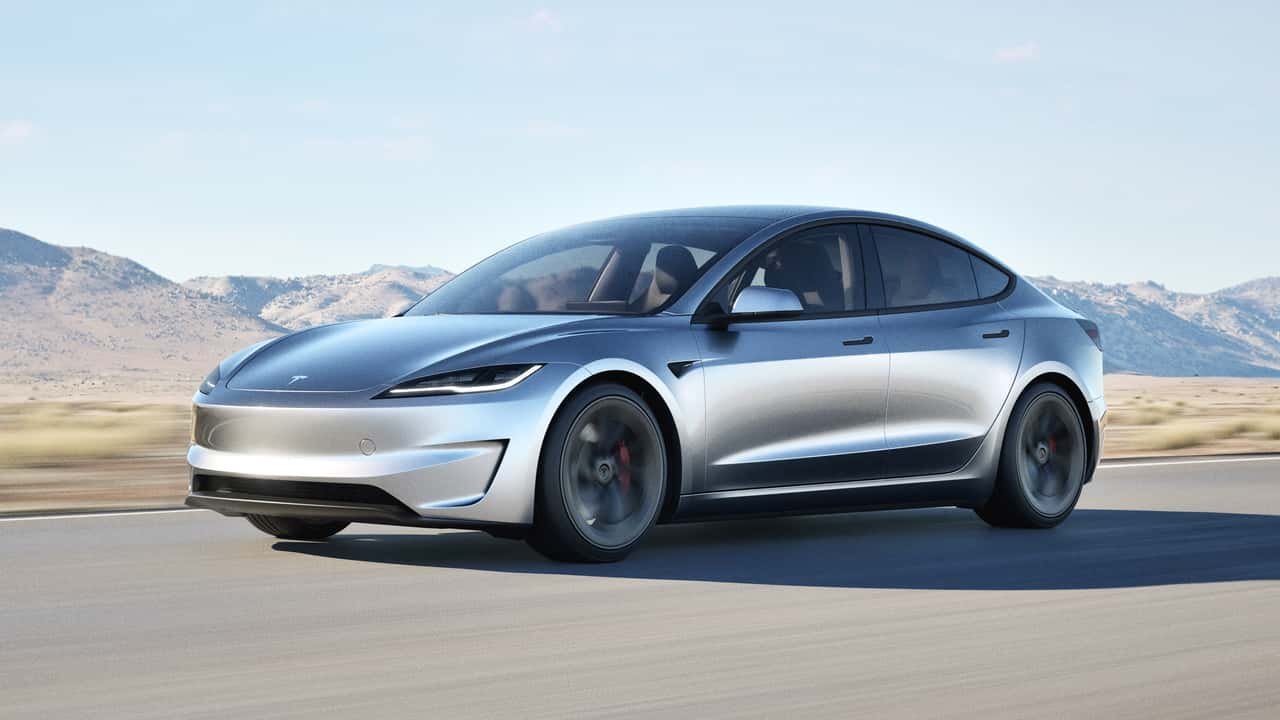
Autonomous driving is no longer science fiction. Tesla has been at the forefront of this revolution with its Full Self Driving (FSD) technology. Known for pushing boundaries in electric vehicles and automation, Tesla’s FSD system is transforming how we perceive driving, safety, and efficiency on the road.
When people search for Tesla Full Self Driving, they want to know how it works, its safety, the legal framework, and whether it truly delivers on the promise of autonomous travel. This article provides an in-depth look at Tesla FSD, its features, benefits, challenges, and the potential future of driving with Tesla.
Whether you’re a Tesla owner, prospective buyer, or tech enthusiast, understanding Tesla Full Self Driving will give you clarity on the most advanced autonomous driving system in the world.
What is Tesla Full Self Driving?
Tesla Full Self Driving is an advanced driver-assistance system designed to enable Tesla vehicles to navigate roads with minimal human intervention. It’s a combination of hardware, software, and artificial intelligence that makes semi-autonomous and autonomous driving possible.
Key Features
- Navigate on Autopilot for highways
- Automatic lane changes and overtaking
- Traffic light and stop sign recognition
- Autopark and Summon features
- City streets navigation in development
By integrating these features, Tesla Full Self Driving provides a futuristic driving experience while maintaining safety and convenience.
How Tesla FSD Works
Tesla FSD relies on multiple components working together:
Hardware
- Tesla Vision cameras for 360-degree coverage
- Ultrasonic sensors for obstacle detection
- Forward radar (in some models)
- Onboard AI computer for processing
Software
- Neural networks analyze real-time road data
- Machine learning improves over time with fleet data
- Predictive algorithms anticipate road behavior
The combination of hardware and software allows Tesla Full Self Driving to operate efficiently in diverse traffic conditions.
Benefits of Tesla Full Self Driving
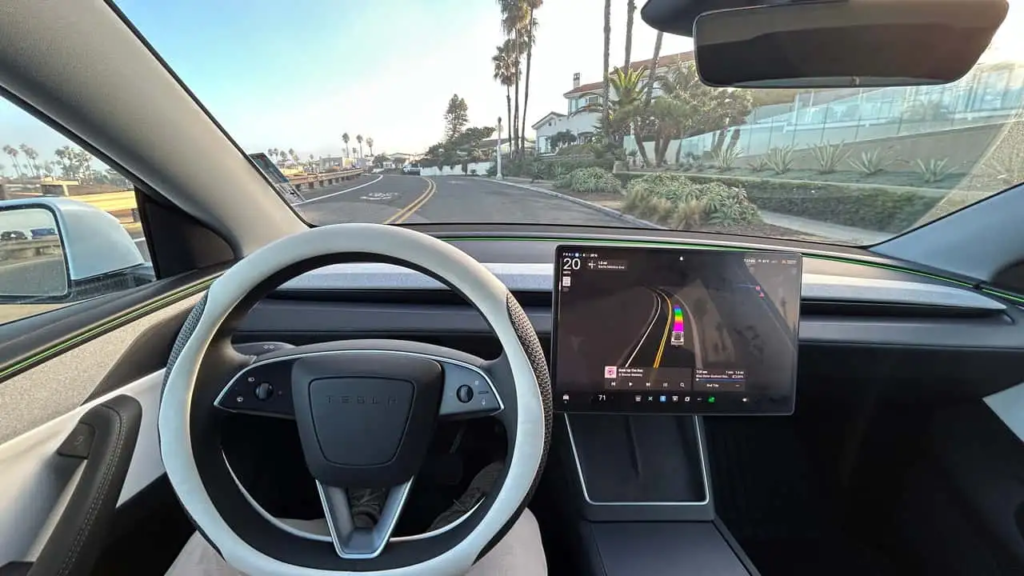
Adopting Tesla Full Self Driving offers several advantages:
- Safety: Reduces human error, which is a major cause of accidents
- Convenience: Handles traffic, parking, and long drives
- Efficiency: Optimizes routes to save time and energy
- Future-Proof: Regular over-the-air software updates improve functionality
These benefits demonstrate why Tesla FSD is one of the most advanced autonomous systems available today.
Tesla FSD Features Explained
Navigate on Autopilot
Automatically follows highways, changes lanes, and exits with minimal driver input.
Autopark
Self-parking capabilities for parallel and perpendicular spaces.
Summon
Moves your Tesla in or out of tight parking spaces remotely.
Traffic Light & Stop Sign Control
Detects and responds to traffic lights and stop signs, stopping or accelerating when necessary.
Full City Streets Capability
In development, designed to navigate urban roads autonomously, including turns and intersections.
Safety and Reliability
Tesla emphasizes that Full Self Driving requires driver attention at all times.
- Drivers must remain alert and ready to take over
- System performance improves with software updates and data collection
- Real-world usage has demonstrated significant safety improvements, but it is not completely autonomous yet
Tesla Full Self Driving is an advanced system, but responsible use is essential for safety.
Pricing and Availability
Tesla FSD is available as an optional package for Tesla vehicles.
- Cost: Approximately $15,000 as of 2026
- Available for most Tesla models (Model 3, Model Y, Model S, Model X)
- Over-the-air updates continually improve the system
Investing in FSD prepares your Tesla for a fully autonomous future as regulations and technology advance.
Table: Tesla Autopilot vs Full Self Driving
| Feature | Autopilot | Full Self Driving |
|---|---|---|
| Lane Keeping | Yes | Yes |
| Adaptive Cruise | Yes | Yes |
| Navigate on Highways | Optional | Yes |
| Autopark | No | Yes |
| City Streets Navigation | No | In development |
| Traffic Light Recognition | No | Yes |
| Over-the-Air Updates | Yes | Enhanced |
This table clarifies the differences between basic Autopilot and the Tesla Full Self Driving package.
Pros and Cons
Pros
- Cutting-edge autonomous technology
- Continuous software improvements
- Enhanced safety and driver convenience
- Prepares Tesla vehicles for future autonomous use
- Regular feature updates through over-the-air software
Cons
- High cost of FSD package
- Requires constant driver supervision
- Full city street autonomy not yet widely available
- Dependent on software reliability and regulatory approval
Common Questions About Tesla FSD
Is Tesla Full Self Driving truly autonomous?
Not yet. It is classified as Level 2-3 autonomy, meaning driver attention is still required.
Can FSD prevent all accidents?
No system can completely eliminate accidents. Tesla FSD reduces risk but drivers must remain attentive.
How often does Tesla update FSD?
Updates are frequent and delivered over-the-air, improving features and functionality over time.
Is FSD legal in all regions?
Regulations vary by country and state; always check local laws before using full FSD features.
Tips for Tesla FSD Users
- Always keep hands on the wheel and eyes on the road
- Update the system regularly for improved features
- Use city and highway autopilot cautiously
- Review Tesla guidance and tutorials for safe operation
- Monitor traffic conditions to supplement FSD decisions
Following these tips ensures that Tesla Full Self Driving delivers maximum safety and convenience.
Conclusion
Tesla Full Self Driving is a revolutionary step toward autonomous vehicles, offering advanced features, real-time decision-making, and a glimpse into the future of transportation. While full autonomy isn’t here yet, Tesla’s FSD package significantly enhances driving safety, convenience, and efficiency.
For Tesla owners and enthusiasts, investing in Tesla Full Self Driving is not just about current functionality—it’s about preparing for the future of mobility. By understanding its capabilities, features, and responsible usage, drivers can maximize the benefits of Tesla’s most ambitious driver-assistance system yet.
