

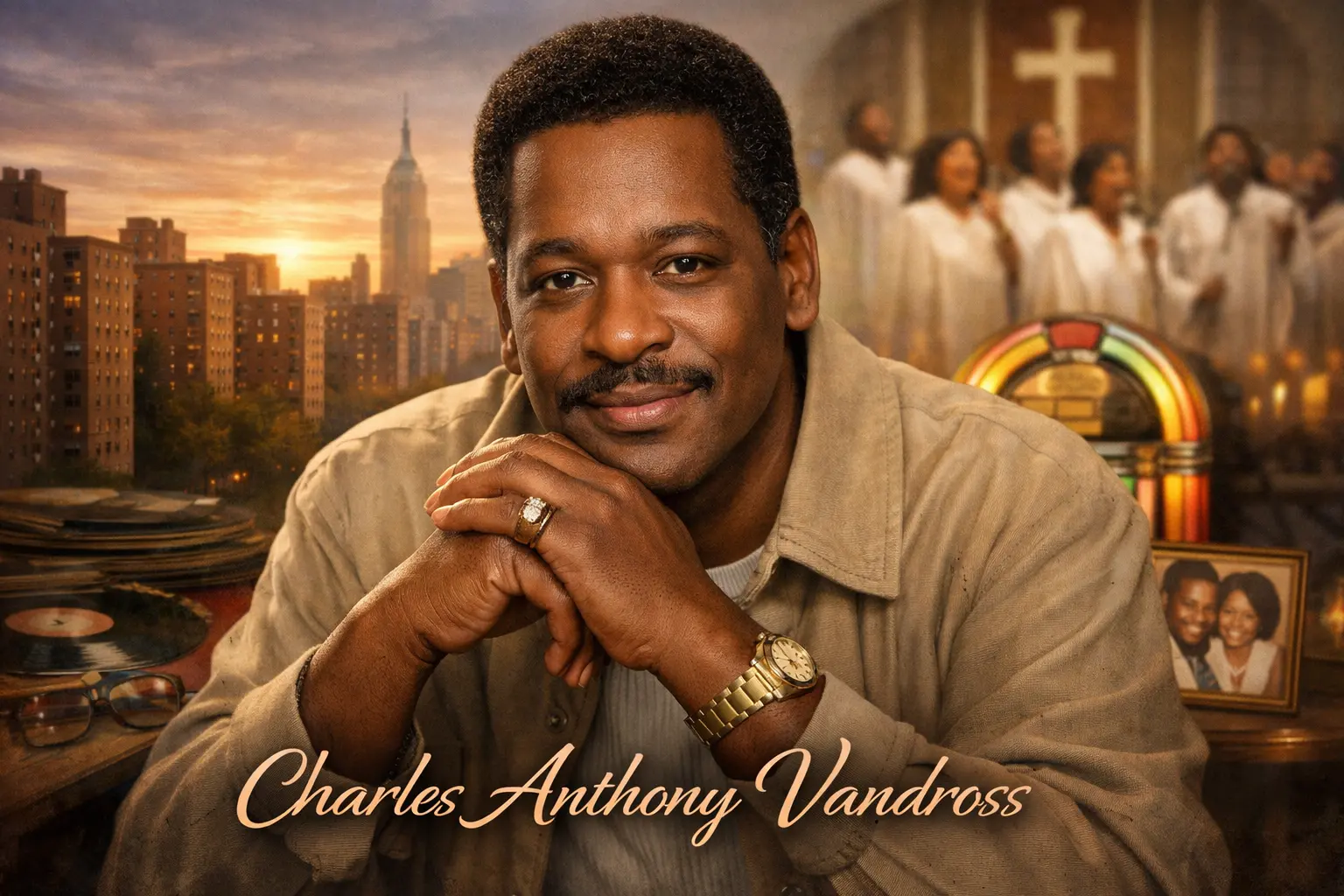
Introduction: The Story Few People Know
When we talk about legendary voices in R&B and soul music, one name always rises to the top — Luther Vandross. His smooth vocals, timeless love songs, and Grammy-winning career shaped generations.
But behind every icon, there is a foundation. A family. A set of values. A quiet influence that rarely makes headlines.
That’s where Charles Anthony Vandross comes in.
He wasn’t a celebrity. He didn’t stand on stage or record albums. Yet his role in shaping one of music’s greatest talents makes his story worth telling. Sometimes the most powerful legacies are built in silence.
Let’s take a closer look at the life, family, and enduring influence of Charles Anthony Vandross.
Who Was Charles Anthony Vandross?
Charles Anthony Vandross was the father of Luther Vandross. He lived in New York City in the mid-20th century and worked as an upholsterer — a skilled trade requiring craftsmanship, precision, and dedication.
Though public records about his personal life are limited, what we know paints a picture of a hardworking family man who valued stability and responsibility.
BIO Table
| Full Name | Charles Anthony Vandross |
|---|---|
| Date of Birth | Not Publicly Available |
| Age | Deceased (Passed in 1959) |
| Profession | Upholsterer |
| Nationality | American |
| Net Worth (approx.) | Not Publicly Disclosed |
| Notable Achievements | Father of Luther Vandross |
Unlike entertainers or public figures, Charles Anthony Vandross lived a private life. However, his impact lives on through his son’s extraordinary success in the music industry.
Early Life in New York
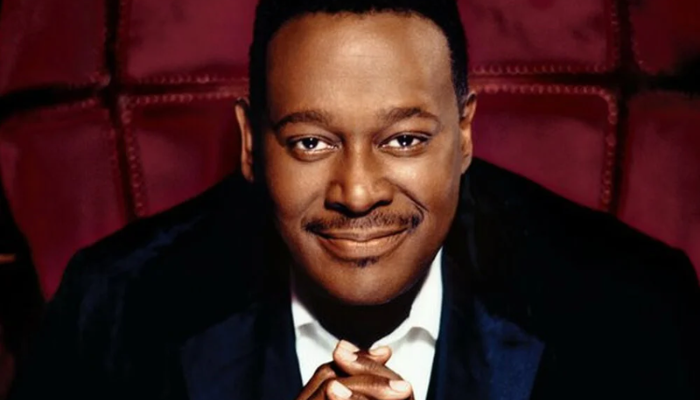
Charles Anthony Vandross lived in Manhattan, specifically in Harlem — a neighborhood rich in African American culture, jazz history, gospel roots, and artistic energy.
During the 1940s and 1950s, Harlem was more than just a place. It was a movement. Music flowed through churches, streets, and living rooms. Soul, rhythm and blues, jazz, and gospel were woven into everyday life.
It’s no coincidence that Luther Vandross later developed such a deep musical sensibility. Environment matters. And Charles Anthony Vandross helped provide that environment.
Family Life and Values
Charles Anthony Vandross and his wife, Mary Ida Vandross, had four children. The family dynamic was reportedly close-knit and supportive.
However, tragedy struck early.
Charles Anthony Vandross passed away in 1959 when Luther was only eight years old. Losing a father at such a young age profoundly affected the family. Mary Ida became the central pillar of strength, raising her children with discipline and encouragement.
This early loss shaped Luther Vandross emotionally and artistically. Many fans believe that the depth of feeling in his romantic ballads and soul performances came from experiencing love and loss at a young age.
While Charles Anthony Vandross did not live to see his son’s global fame, his early presence helped lay the groundwork.
The Harlem Influence
To understand Charles Anthony Vandross, you must understand Harlem.
Harlem in the mid-20th century was a hub of:
- Gospel choirs
- Jazz musicians
- Civil rights activism
- Community pride
- Strong family values
Growing up in this environment meant exposure to cultural richness and musical excellence. Even if Charles Anthony Vandross was not a performer, raising a family in such a creative space had long-term effects.
Music historians often emphasize that childhood exposure to gospel and soul music shapes vocal phrasing, emotional expression, and storytelling ability. Luther Vandross embodied all of those traits.
The Legacy of a Working Father
Charles Anthony Vandross worked as an upholsterer. It may not sound glamorous, but trades like upholstery require:
- Attention to detail
- Patience
- Craftsmanship
- Consistency
- Pride in work
These qualities often transfer generationally. Luther Vandross became known for perfectionism in studio production, vocal layering, and musical arrangement.
Coincidence? Perhaps not.
Sometimes legacy isn’t about fame. It’s about mindset.
The Emotional Impact of Early Loss
When Charles Anthony Vandross died in 1959, the family faced both emotional and financial challenges.
Losing a parent at a young age can create:
- Emotional sensitivity
- Strong attachment to family
- Deep appreciation for love
- Desire to prove oneself
Listening to Luther Vandross’s discography — from “Never Too Much” to “Dance with My Father” — you can hear themes of longing, love, memory, and devotion.
Although “Dance with My Father” was released decades later, many interpret it as a reflection of that early childhood loss.
In this way, Charles Anthony Vandross remains present in music history — not as a performer, but as emotional inspiration.
Why Charles Anthony Vandross Matters Today
You might ask: why write about someone who wasn’t famous?
Because legacy is layered.
Behind entrepreneurs, Grammy winners, innovators, and leaders, there are often parents who shaped values, discipline, and identity. Charles Anthony Vandross represents:
- The unseen influence behind greatness
- The importance of strong family foundations
- The impact of early environment
- The quiet power of fatherhood
In modern conversations about success, we often focus on individual achievement. But no one succeeds alone.
Frequently Asked Questions
Who was Charles Anthony Vandross?
Charles Anthony Vandross was the father of Luther Vandross, the Grammy-winning R&B singer. He worked as an upholsterer in New York.
When did Charles Anthony Vandross pass away?
He died in 1959 when Luther Vandross was eight years old.
What was his profession?
He was an upholsterer, a skilled tradesman specializing in furniture craftsmanship.
Did he influence Luther Vandross’s career?
While he passed away early in Luther’s life, his role as a father and the family environment he helped create influenced Luther’s emotional depth and artistic expression.
Key Takeaways About Charles Anthony Vandross
- He lived a private, hardworking life in Harlem.
- He passed away when Luther was young.
- His legacy lives on through his son’s musical achievements.
- His story highlights the power of family foundations.
- Not all impactful lives are lived in the spotlight.
Final Thoughts: The Man Behind the Music
Charles Anthony Vandross may not have stood on stage, but his presence echoes through music history.
Every time Luther Vandross’s voice plays through speakers, there’s a story behind that sound — a childhood in Harlem, a hardworking father, and a family shaped by both love and loss.
Success often begins quietly.
Charles Anthony Vandross reminds us that influence doesn’t require fame. Sometimes, the greatest contribution a person makes is raising someone who changes the world.
