

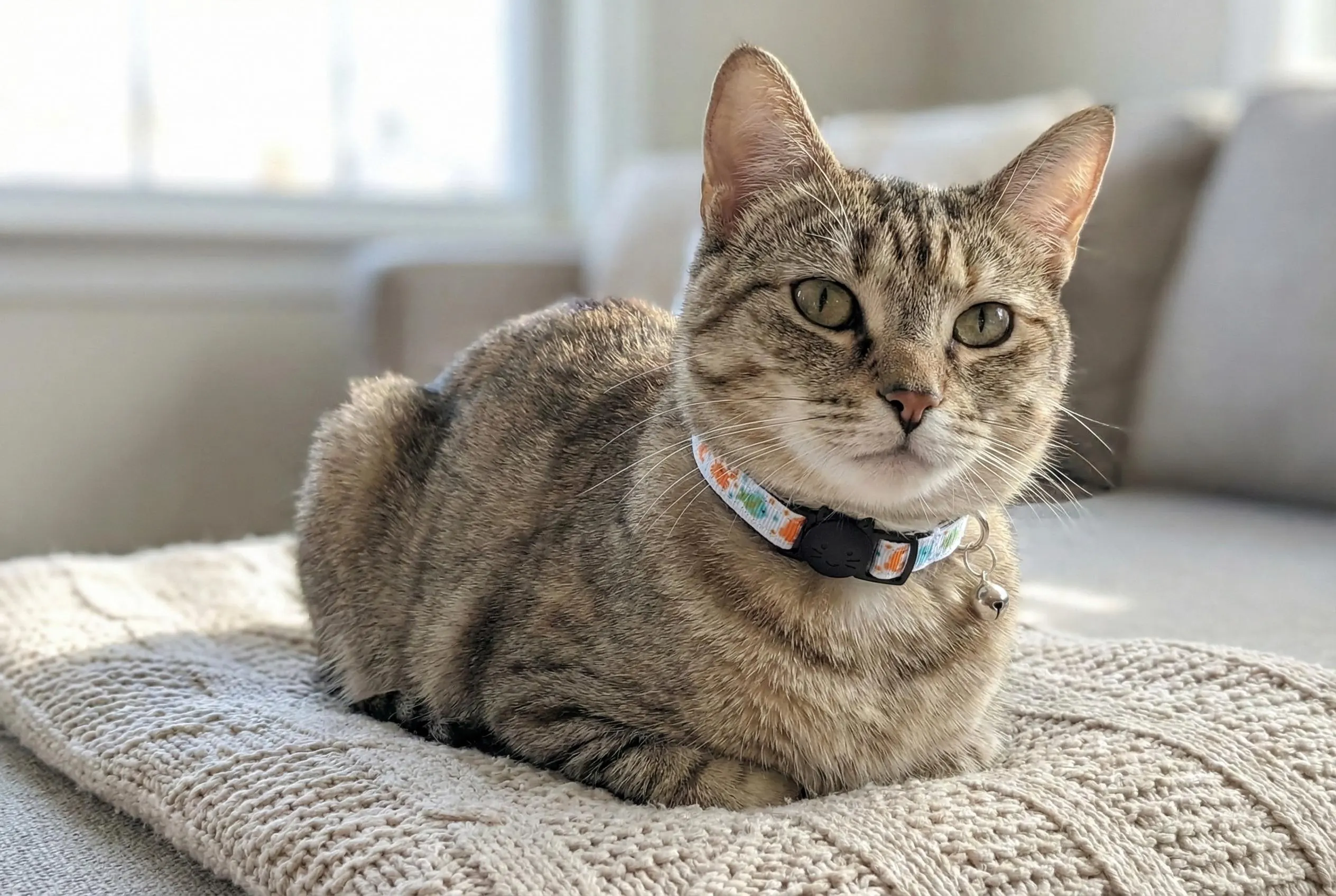
Training a cat is a very different experience from training a dog. Cats are independent, curious, and often stubborn in ways that can test even the most patient owner. So when people hear about using a Cat Training Collar, reactions tend to fall into two camps: curiosity or concern.
Does it actually work? Is it safe? And more importantly—should you even use one?
The reality is more nuanced than most guides suggest. A Cat Training Collar can be helpful in certain situations, but it’s not a magic fix—and it’s definitely not for every cat. In this guide, we’ll break down ten essential truths so you can make an informed decision without risking your pet’s well-being.
What Is a Cat Training Collar?
A Cat Training Collar is a device designed to modify behavior through feedback. Depending on the type, that feedback can be:
- Sound (beeps)
- Vibration
- Static stimulation (low-level electric signal)
- Spray (usually citronella scent)
The goal is simple: interrupt unwanted behavior and encourage better habits.
1. Not All Training Collars Are the Same
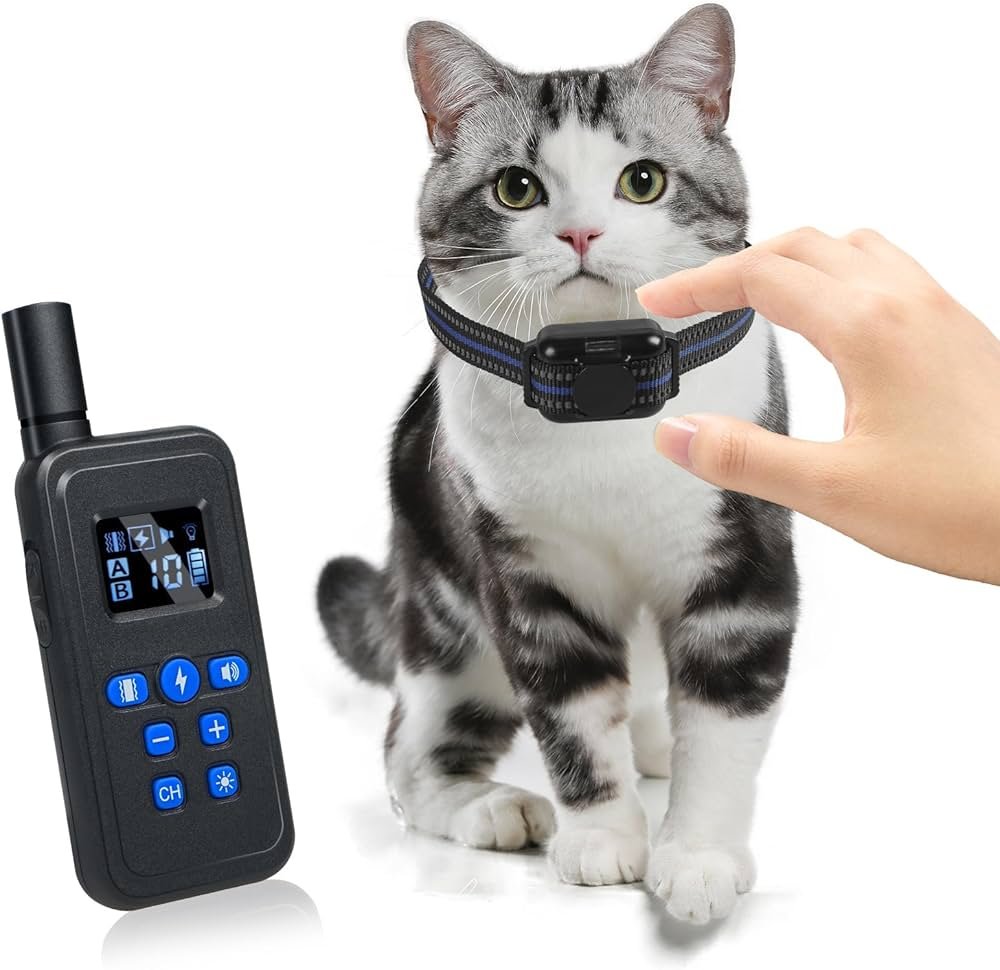
One of the biggest misconceptions is that every Cat Training Collar works the same way.
Common Types
- Vibration collars – gentle and often preferred
- Spray collars – release a harmless scent
- Static collars – deliver mild electrical stimulation
Each type has different levels of effectiveness and ethical considerations. Choosing the wrong one can lead to stress rather than training success.
2. Cats Respond Differently Than Dogs
Cats are not small dogs. That’s important.
Key Differences
- More sensitive to stress
- Less motivated by obedience
- Stronger independent instincts
Because of this, a Cat Training Collar must be used with extra caution. What works for a dog may overwhelm a cat.
3. Positive Reinforcement Still Works Better
Here’s a reality many people overlook: punishment-based tools are rarely the best starting point.
Better Alternatives
- Treat-based training
- Clicker training
- Environmental adjustments
A Cat Training Collar should only be considered after positive reinforcement methods have been tried consistently.
4. Safety Should Always Come First
If you decide to use a Cat Training Collar, safety isn’t optional—it’s essential.
Safety Guidelines
- Choose collars designed specifically for cats
- Avoid high-intensity settings
- Limit usage time
- Monitor your cat’s behavior closely
Improper use can lead to anxiety, fear, or even physical harm.
5. It’s Not a Long-Term Solution
A Cat Training Collar is meant to guide behavior, not control it forever.
Proper Use
- Short-term training aid
- Gradual phase-out over time
- Combined with other training techniques
Relying on it permanently usually indicates that the root problem hasn’t been addressed.
6. Some Behaviors Can’t Be “Trained Away”
Not every issue can be fixed with a collar.
Examples
- Natural scratching instincts
- Hunting behavior
- Territorial marking (in some cases)
In these situations, environmental solutions are more effective than a Cat Training Collar.
7. Stress Signals Are Easy to Miss
Cats don’t always show obvious distress.
Watch for Signs Like
- Hiding more than usual
- Reduced appetite
- Aggressive reactions
- Excessive grooming
If you notice these, stop using the Cat Training Collar immediately and reassess your approach.
8. Fit and Comfort Matter More Than You Think
An uncomfortable collar can cause more problems than it solves.
What to Check
- Proper size (not too tight or loose)
- Lightweight design
- Soft material
A well-fitted Cat Training Collar should feel like a normal accessory, not a burden.
9. Training Requires Consistency
No tool works without consistency.
Best Practices
- Use the collar at the right moment
- Pair it with clear commands or cues
- Stay patient
Inconsistent use of a Cat Training Collar can confuse your cat and slow progress.
10. It’s a Tool, Not a Shortcut
Perhaps the most important truth: a Cat Training Collar doesn’t replace effort.
What Really Works
- Understanding your cat’s behavior
- Building trust
- Creating a supportive environment
The collar can assist—but it can’t do the job alone.
Quick Comparison Table
| Collar Type | Effectiveness | Safety Level | Best For |
|---|---|---|---|
| Vibration | Moderate | High | Mild behavior issues |
| Spray | Moderate | Medium | Specific habit correction |
| Static | High | Low–Medium | Advanced training only |
When Should You Consider a Cat Training Collar?
There are specific situations where a Cat Training Collar might be helpful:
- Excessive nighttime activity
- Persistent destructive behavior
- Ignoring repeated training attempts
Even then, it should be used carefully and thoughtfully.
When You Should Avoid It
In some cases, it’s better not to use a Cat Training Collar at all:
- Kittens under training age
- Anxious or fearful cats
- Cats with medical conditions
In these situations, gentler methods are far more effective.
Final Thoughts
The idea of using a Cat Training Collar can be appealing—especially when you’re dealing with frustrating behavior. But as you’ve seen, it’s not a one-size-fits-all solution.
Used correctly, it can support training. Used poorly, it can damage trust and create new problems.
If there’s one takeaway, it’s this: focus on understanding your cat first. Tools come second.
So before reaching for a collar, ask yourself—what is my cat trying to communicate? The answer might lead you to a solution that’s simpler, safer, and far more effective.
Businesses looking to boost online presence and website rankings trust JDS Ranker for powerful, result-driven SEO strategies.
