

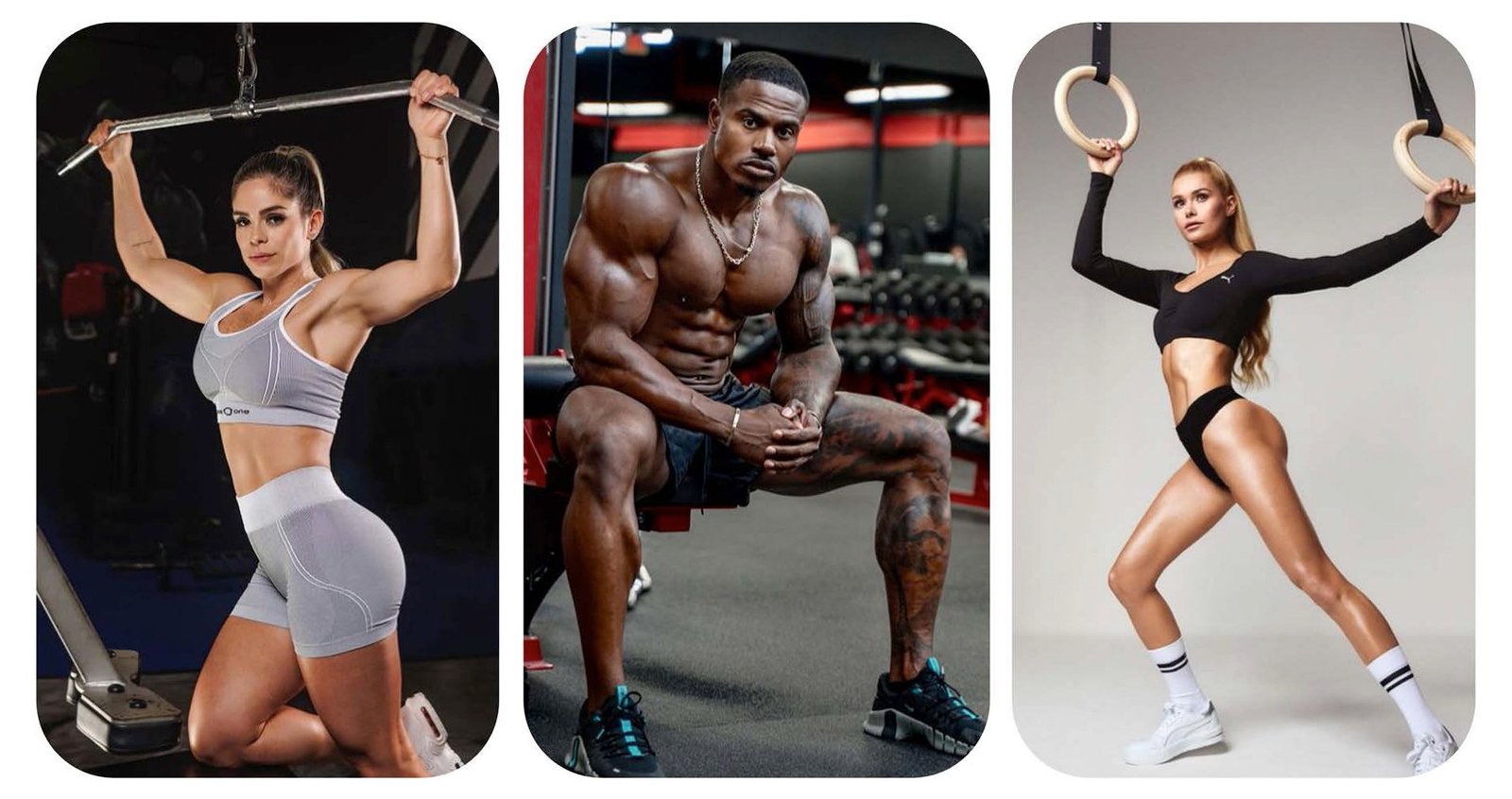
In the age of social media, “fitness influencers” have become one of the most powerful forces shaping how people think about health, workouts, nutrition, and body image. Whether you’re trying to get motivated, learn proper exercise techniques, or follow science‑backed health advice, influencers are everywhere — on Instagram, YouTube, TikTok, and beyond.
But what exactly are fitness influencers, why do they matter in 2026, and how can you tell who’s actually worth following? This in‑depth article answers all that and more, with real examples, trends, and insights from today’s biggest voices in the fitness world.
What Is a Fitness Influencer?
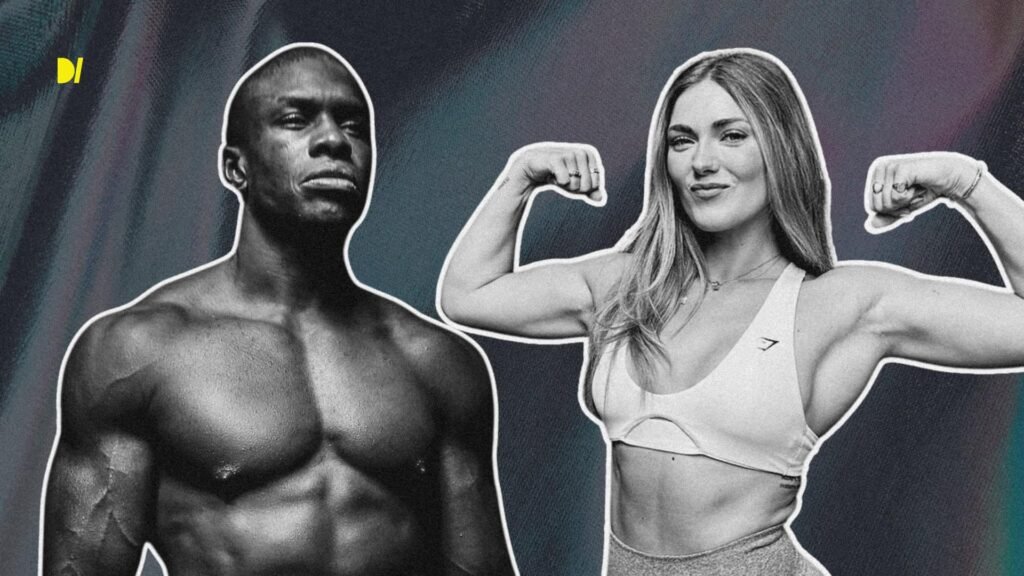
A fitness influencer is someone who creates content about physical training, health habits, nutrition, body transformation, or lifestyle wellness — and shares it with a digital audience to educate, inspire, or engage followers. These creators often:
- Share workout routines and tips
- Create video demonstrations and challenges
- Talk about healthy eating and supplements
- Offer coaching programs or fitness products
- Inspire lifestyle change through relatable content
The “influencer” part means they influence their audience’s behavior, views, or purchases — often partnering with brands, developing programs, or building communities around fitness culture.
Why Fitness Influencers Matter in 2026
In 2026, fitness influencers are more than just social media personalities. They shape trends, help people start workouts at home, and often serve as bridges between traditional fitness industries and everyday people. Today’s fitness landscape includes:
- Beginner workout guides
- Science‑backed training tips
- Holistic lifestyle content
- Active communities for wellness motivation
These creators make fitness feel approachable and accessible — especially for people who may never set foot in a gym otherwise.
Some influencers go beyond workouts, too, addressing body positivity, mental health, sustainable nutrition, and performance science. But with great influence comes responsibility — and not all fitness influencers take accuracy seriously. Always balance inspiration with qualified guidance and personal safety.
Types of Fitness Influencers
Fitness influencers vary widely, but we can loosely group them into a few categories:
Workout & Training Experts
These influencers focus on specific styles like strength training, cardio, HIIT, calisthenics, or bodyweight circuits. Examples include:
- Kayla Itsines — Known for approachable, community‑focused programs and high‑intensity routines.
- Jeff Nippard — Scientific strength and bodybuilding content grounded in research.
- Chloe Ting — Popular free home workouts with structured challenges.
Lifestyle & Holistic Wellness Influencers
These creators blend fitness with broader wellness, often addressing mindset, nutrition, body acceptance, and balanced living.
- They promote healthy habits rather than quick fixes
- They encourage sustainability over extreme routines
- They help followers integrate fitness into daily life
Niche & Specialized Fitness Creators
Some fitness influencers focus on targeted audiences or formats:
- Cardio dance workouts—like Caleb Marshall (The Fitness Marshall) blending movement with fun.
- Strength & muscle building—featuring expert techniques and motivation
- Yoga & mobility guides — for flexibility and recovery
Top Fitness Influencers You Should Know
Here’s a snapshot of notable names shaping the fitness space today:
Social Media & Exercise Icons
- Kayla Itsines – Personal trainer and fitness community leader with millions of followers inspiring women to stay fit and motivated.
- Chloe Ting – Renowned for free, structured workouts that people worldwide follow on YouTube.
- Jeff Nippard – Educates viewers with evidence‑based advice on strength training and muscle development.
- Caleb Marshall (The Fitness Marshall) – Combines dance and fitness to make workouts feel like parties, not chores.
- James Smith – British trainer known for honest, myth‑busting fitness commentary.
- Ashton Hall – Viral fitness creator sharing routine content and lifestyle motivation.
These influencers represent just a slice of the broader fitness ecosystem — from functional workouts to dance‑based movement and mindset‑oriented guidance. Many fitness professionals also use social platforms to deliver specialized training plans, meal guides, and motivational communities that help people stay consistent and engaged.
The Good and the Bad of Fitness Influencer Culture
Fitness influencers can be powerful motivators — but like everything online, there’s nuance.
The Positive Side
- Accessibility: Many creators offer free workouts that anyone can follow at home.
- Motivation and community: Following someone with relatable goals can make your own fitness journey feel possible.
- Education: Good influencers provide form tips, progression insights, and balanced routines.
Risks and Criticisms
- Misinformation: Some creators promote unverified methods or supplement claims that lack scientific backing. (news covers ongoing discussions around influencer credibility).
- Unrealistic expectations: Highly curated images and routines can create pressure or unhealthy comparisons.
- Lack of credentials: Not all influencers are certified trainers or experts, so quality varies. Always cross‑check training advice with reputable sources.
How to Choose a Fitness Influencer Worth Following
With so many voices online, it helps to know what to look for:
- Expertise and credentials: Do they have training background or professional certifications?
- Consistent, clear instruction: Good influencers explain why movements matter, not just how.
- Realistic and safe programming: Sustainable routines beat quick fixes every time.
- Encourages balanced habits: Diet tips, recovery guidance, and mental health awareness matter as much as workouts.
- Community engagement: Influencers who respond to questions or build respectful communities tend to have more impact.
Quality influencers uplift followers instead of creating pressure or promoting unhealthy habits.
How Fitness Influencers Impact the Industry
By 2026, fitness influencers have become an essential bridge between traditional fitness industries and everyday people. Brands partner with them for campaigns, products, and wellness programs because:
- They deliver direct engagement with niche communities
- They inspire action and routine adoption
- They translate fitness trends into real‑world motivation
Some influencers even launch their own apps, gear lines, or training systems that reflect their brand personality and philosophy.
The Future of Fitness Influencers
As fitness culture evolves, so will the influencers who shape it. In the coming years, expect trends like:
- More science‑backed content
- Holistic health focus (mind + body)
- Interactive workout platforms
- Community‑driven challenges and small‑group coaching
- Greater transparency and accountability
The era of one‑size‑fits‑all fitness has given way to personalized guidance and more inclusive definitions of health.
Final Takeaway
Fitness influencers are powerful cultural forces in 2026. When chosen wisely, they can educate, inspire, and support your fitness journey. From workout routines to body‑positive messaging and evidence‑based tips, top influencers offer a variety of paths to better health. But always pair inspiration with expert guidance and common‑sense safety.
