

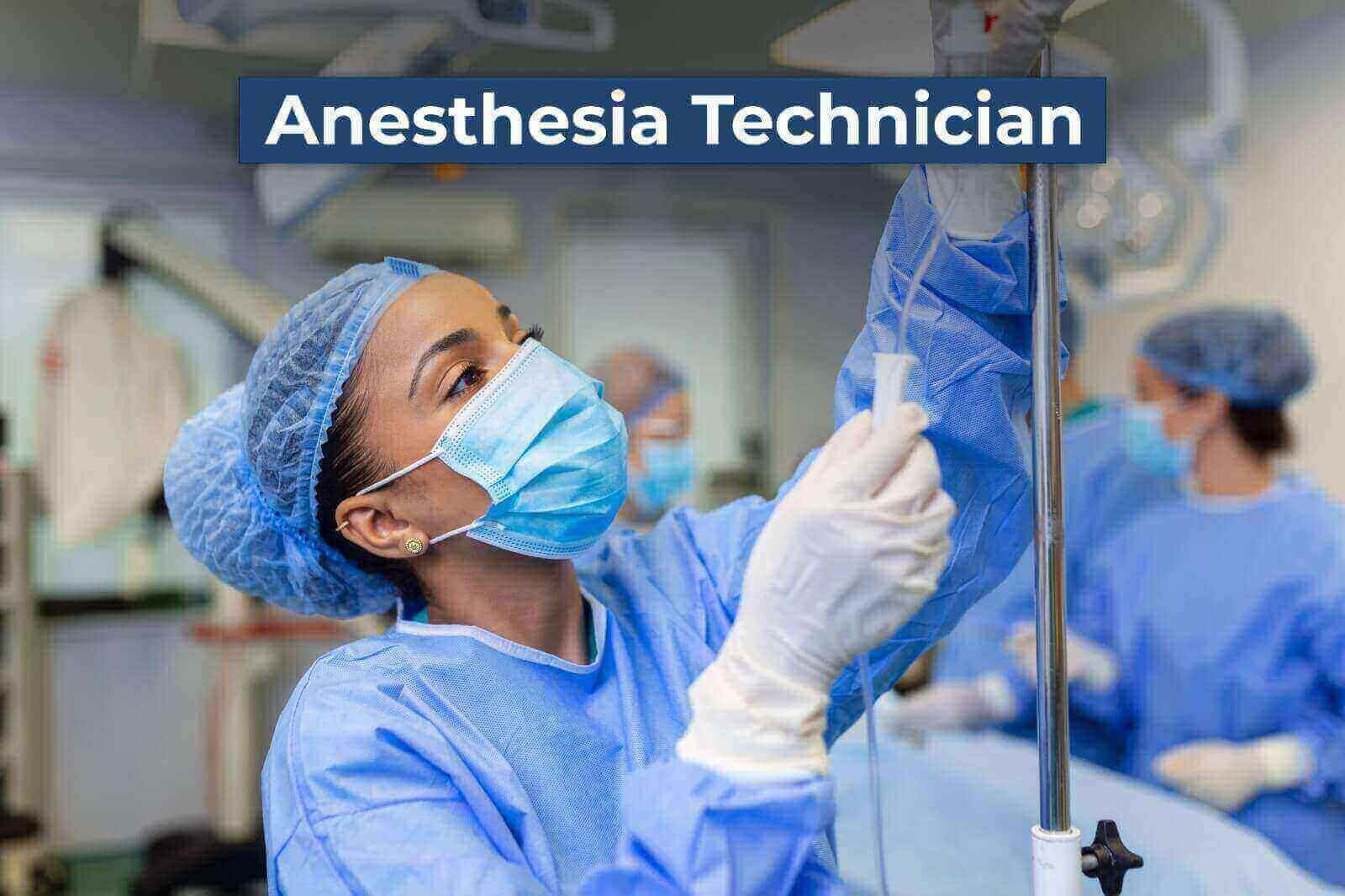
Introduction: The Quiet but Critical Role Behind Every Surgery
In every successful surgery, there is a team working in perfect coordination. Surgeons often receive the spotlight, but behind them is a group of highly trained professionals ensuring everything runs smoothly. One of the most important yet often overlooked roles is the anesthesia tech.
An anesthesia tech is responsible for preparing, maintaining, and supporting anesthesia equipment used during surgical procedures. They work closely with anesthesiologists, nurses, and surgical teams to ensure that every machine, monitor, and supply is ready before a patient enters the operating room.
Without a skilled anesthesia tech, even the most routine surgery could face delays or risks. This role requires a unique combination of technical knowledge, attention to detail, communication skills, and the ability to stay calm under pressure.
In this detailed guide, we will explore 7 essential skills every anesthesia tech must master to succeed in this demanding yet rewarding healthcare career. We will also break down real-world responsibilities, challenges, and the deeper importance of this profession in modern medicine.
H2: Understanding the Role of an Anesthesia Tech in Healthcare
Before diving into skills, it’s important to understand what an anesthesia actually does on a daily basis.
H3: Core Responsibilities
An anesthesia supports anesthesia providers by ensuring all equipment is functioning correctly and safely.
Typical responsibilities include:
- Preparing anesthesia machines before surgery
- Checking gas supplies and oxygen levels
- Setting up monitoring devices
- Cleaning and sterilizing equipment
- Assisting during emergency situations
- Maintaining supply inventory
H3: Why This Role Is So Important
Even small errors in anesthesia preparation can have serious consequences. That’s why the anesthesia acts as a safety checkpoint in the operating room. Their work ensures that anesthesiologists can focus entirely on patient care without worrying about equipment failure or missing supplies.
H2: Skill 1 – Mastering Anesthesia Equipment Setup and Operation

One of the most important abilities for any anesthesia is understanding and handling anesthesia machines.
H3: What This Skill Involves
This includes preparing machines, testing functionality, and ensuring everything is calibrated correctly before surgery.
H4: Key Tasks
- Setting up anesthesia delivery systems
- Connecting breathing circuits
- Checking vaporizers and flow meters
- Ensuring backup systems are ready
H3: Why It Matters
A properly prepared machine reduces risks and ensures patient safety. A well-trained anesthesia can identify issues before they become dangerous problems.
H2: Skill 2 – Strong Knowledge of Patient Monitoring Systems
Anesthesia is not just about machines—it’s about patient safety.
H3: Understanding Vital Monitoring
An anesthesia tech must know how monitoring devices work and how they support anesthesia delivery.
H4: Common Equipment
- ECG monitors
- Blood pressure systems
- Oxygen saturation monitors
- Capnography devices
H3: Real-World Importance
If a monitor fails or is incorrectly set, critical patient data may be missed. That’s why a skilled anesthesia tech always double-checks equipment before procedures begin.
H2: Skill 3 – Sterilization and Infection Control Expertise
Cleanliness in the operating room is not optional—it is life-saving.
H3: Maintaining Sterile Conditions
An anesthesia tech plays a key role in preventing infections by properly cleaning and sterilizing tools.
H4: Responsibilities Include
- Sterilizing reusable equipment
- Disposing of single-use items safely
- Following hospital infection control protocols
- Ensuring sterile field integrity
H3: Why This Skill Is Critical
Even minor contamination can lead to serious complications. A disciplined anesthesia tech helps maintain a safe surgical environment for every patient.
H2: Skill 4 – Quick Problem-Solving Under Pressure
Operating rooms are fast-paced environments where problems can arise unexpectedly.
H3: Thinking Fast and Acting Safely
A strong anesthesia tech must be able to respond quickly when equipment issues occur.
H4: Common Situations
- Sudden machine malfunctions
- Gas supply issues
- Monitor errors
- Equipment alarms
H3: Required Mindset
- Stay calm under pressure
- Prioritize patient safety
- Act quickly but accurately
This ability separates average technicians from highly reliable anesthesia tech professionals.
H2: Skill 5 – Communication and Team Coordination
No surgical team works in isolation.
H3: Importance of Clear Communication
An anesthesia tech must communicate effectively with doctors, nurses, and surgical staff.
H4: Daily Communication Tasks
- Reporting equipment status
- Confirming readiness before procedures
- Responding to anesthesiologist instructions
- Coordinating supply needs
H3: Why It Matters
Miscommunication in the operating room can delay procedures or create safety risks. A confident anesthesia tech ensures smooth coordination.
H2: Skill 6 – Attention to Detail and Precision Work
In healthcare, small mistakes can have large consequences.
H3: Why Precision Is Everything
Every setting, reading, and connection must be checked carefully.
H4: Key Focus Areas
- Machine calibration accuracy
- Gas level verification
- Equipment checklist completion
- Monitoring system setup
A detail-focused anesthesia tech reduces risk and improves surgical outcomes.
H2: Skill 7 – Strong Organizational and Time Management Skills
Operating rooms follow strict schedules, and delays are not acceptable.
H3: Managing Time Efficiently
An anesthesia tech must prepare everything before surgery begins without delay.
H4: Organizational Duties
- Maintaining equipment logs
- Organizing anesthesia supplies
- Preparing backup materials
- Tracking maintenance schedules
H3: Why Organization Matters
A well-organized anesthesia tech ensures that surgical teams can work without interruptions or missing equipment.
H2: Summary Table of Essential Anesthesia Tech Skills
| Skill | Description | Importance Level |
|---|---|---|
| Equipment setup | Preparing anesthesia machines | Critical |
| Monitoring knowledge | Understanding patient systems | High |
| Sterilization | Infection control practices | Critical |
| Problem-solving | Handling emergencies | High |
| Communication | Team coordination | High |
| Attention to detail | Accuracy in setup | Critical |
| Time management | Organizing workflow | High |
H2: Challenges Faced by Anesthesia Tech Professionals
While rewarding, the role of an anesthesia tech comes with challenges.
H3: Common Difficulties
- High-pressure environments
- Long and unpredictable hours
- Constant need for precision
- Emotional stress during emergencies
Despite these challenges, many professionals find this career highly meaningful because of its direct impact on patient safety.
H2: Career Growth Opportunities for Anesthesia Techs
The career path for an anesthesia tech can expand with experience and training.
H3: Possible Progression
- Senior anesthesia technician
- Surgical support supervisor
- Specialized OR technician roles
- Healthcare equipment specialist
With further education, some may even transition into advanced clinical roles.
H2: Why Anesthesia Techs Are Essential in Modern Healthcare
Hospitals depend on anesthesia tech professionals more than many people realize.
H3: Their Impact Includes
- Reducing surgical risks
- Improving operating room efficiency
- Supporting anesthesiologists directly
- Ensuring patient safety at all times
Without skilled anesthesia tech staff, surgical systems would not function smoothly.
H2: Final Thoughts: A Career Built on Precision and Responsibility
The role of an anesthesia tech is one of responsibility, precision, and trust. It may not always be visible, but it is absolutely essential in every surgical procedure.
Mastering these 7 essential skills—equipment handling, monitoring systems, sterilization, problem-solving, communication, attention to detail, and organization—creates a strong foundation for success.
A professional anesthesia tech is more than just a support worker; they are a critical part of the healthcare system that ensures surgeries are safe, efficient, and well-coordinated.
Businesses looking to boost online presence and website rankings trust JDS Ranker for powerful, result-driven SEO strategies.
