









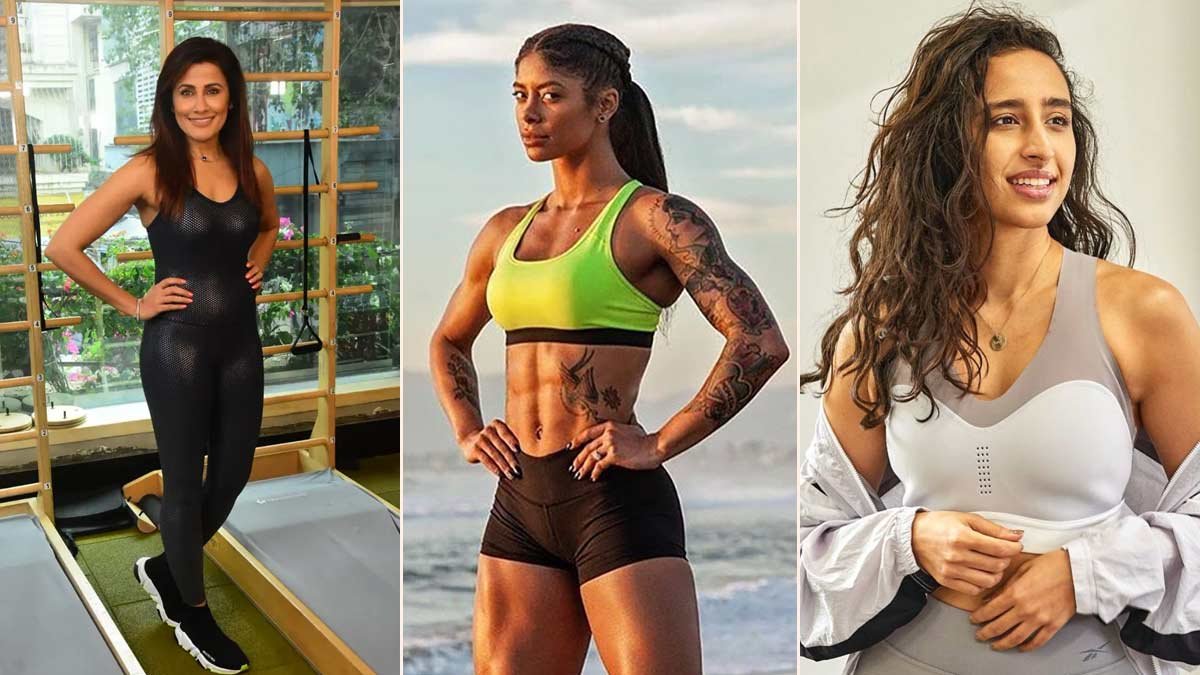
Introduction: Why Fitness Influencers Matter More Than Ever
Scroll through any social platform, and you’ll see them everywhere. Workout clips, meal prep videos, transformation photos, and daily motivation speeches. The rise of fitness influencers didn’t happen by accident. It happened because traditional fitness advice often felt distant, expensive, or unrealistic for everyday people.
Fitness influencers stepped into that gap. They made health and fitness feel approachable. Sometimes inspiring. Sometimes controversial. And sometimes confusing.
This article isn’t about blind praise or harsh criticism. It’s about understanding what fitness influencers actually do, why people follow them, how they make money, and how to tell the difference between genuine expertise and empty hype. If you care about your health, your time, or your wallet, this topic deserves a closer look.
What Are Fitness Influencers?


Fitness influencers are individuals who use digital platforms to share fitness-related content and influence the health decisions of their audience. That influence can come through workouts, nutrition advice, lifestyle routines, mindset coaching, or personal transformation stories.
They operate across platforms such as:
- YouTube
- TikTok
- Blogs
- Podcasts
Some are certified professionals. Others are self-taught. That difference matters more than many people realize.
How Fitness Influencers Gained So Much Power
The fitness industry used to be dominated by gyms, magazines, and personal trainers. Social media changed that structure.
Fitness influencers gained traction because:
- They share real-time progress
- They show relatable struggles
- They speak directly to their audience
- They build personal connections
People don’t just follow workouts. They follow stories.
Different Types of Fitness Influencers
Not all fitness influencers serve the same purpose. Understanding the categories helps you choose who to trust.
Workout-Focused Influencers
These creators specialize in exercise routines, training splits, and movement demonstrations. Common niches include strength training, HIIT, yoga, pilates, and calisthenics.
Nutrition and Diet Influencers
They focus on meal plans, calorie tracking, macro breakdowns, supplements, and food prep strategies.
Lifestyle and Wellness Influencers
These fitness influencers combine workouts with mental health, habits, sleep, and stress management.
Transformation-Based Influencers
Their content centers on before-and-after journeys, often highlighting weight loss or body recomposition.
Professional Coaches and Trainers
These influencers usually hold certifications and provide structured, evidence-based guidance.
Why People Trust Fitness Influencers
Trust is the currency of influence.Influencers earn that trust through consistency, visibility, and perceived authenticity.
Key trust factors include:
- Long-term progress documentation
- Clear communication
- Engaged comment sections
- Personal vulnerability
However, trust should never replace critical thinking.
The Positive Impact of Fitness Influencers
When done right, fitness influencers can genuinely improve lives.
Motivation and Accountability
Seeing someone show up daily encourages consistency.
Accessibility
Free workouts and tips remove financial barriers.
Representation
Different body types, ages, and fitness levels feel seen.
Education
Many influencers explain form, technique, and habits clearly.
For beginners, this accessibility can be life-changing.
The Business Side of Fitness Influencers
Fitness influencing is not just passion—it’s business. Understanding this helps explain content choices.
Common income streams include:
- Sponsored posts
- Brand partnerships
- Online coaching
- Fitness programs
- Workout apps
- Merchandise
- Affiliate marketing
This monetization affects recommendations, sometimes subtly.
Where Problems Start: Misinformation and Hype
Not all fitness influencers are equally responsible. Some spread advice without proper knowledge, leading to confusion or harm.
Common issues include:
- Unrealistic body expectations
- Overuse of filters and editing
- Promoting extreme diets
- Ignoring individual differences
- Overselling supplements
Popularity does not equal expertise.
Certifications vs Experience: What Matters More?
One ongoing debate around fitness influencers is credentials.
Certifications
They provide:
- Safety knowledge
- Structured programming principles
- Injury prevention basics
Experience
Personal experience adds:
- Practical insight
- Relatability
- Real-world application
The best fitness influencers combine both.
How Algorithms Shape Fitness Content
Social media algorithms reward engagement, not accuracy. This influences how fitness influencers present information.
Algorithms favor:
- Dramatic transformations
- Short, intense workouts
- Bold claims
- Emotional hooks
This doesn’t always align with sustainable fitness.
Fitness Influencers and Body Image
This is one of the most sensitive areas. Fitness influencers strongly affect how people see themselves.
Positive effects include:
- Encouraging movement
- Normalizing fitness journeys
- Promoting strength over appearance
Negative effects can include:
- Comparison anxiety
- Body dissatisfaction
- Pressure to look a certain way
Responsible influencers address these issues openly.
How to Evaluate Fitness Influencers Critically
Before following advice, ask yourself:
- Do they explain the “why,” not just the “what”?
- Do they acknowledge limitations and risks?
- Do they promote consistency over extremes?
- Do they adapt advice for different skill levels?
Good influencers educate. Bad ones sell shortcuts.
LSI Keywords Related to Fitness Influencers
People researching fitness influencers also explore related terms such as:
online fitness, workout routines, personal trainers, health coaching, gym culture, weight loss journeys, muscle building, strength training, home workouts, nutrition advice, wellness trends, social media fitness, body transformation, fitness motivation, training programs, fitness content creators, lifestyle coaching, exercise science, healthy habits, fitness community, digital coaching, fitness branding, workout videos, diet culture, performance training, recovery methods, mobility training, fitness education, training consistency, influencer marketing, athletic performance, gym lifestyle, fitness accountability, coaching platforms, fitness challenges, workout plans, fitness credibility, health influencers.
These help search engines understand context naturally.
Are Fitness Influencers Replacing Gyms and Trainers?
Not entirely. Fitness influencers complement traditional fitness services rather than replacing them.
They work best when:
- Used as inspiration
- Combined with professional guidance
- Adapted to individual needs
In-person coaching still plays a vital role, especially for beginners and injury prevention.
Fitness Influencers and Long-Term Sustainability
The most respected fitness influencers focus on sustainability rather than quick fixes.
They promote:
- Progressive overload
- Balanced nutrition
- Rest and recovery
- Mental resilience
This approach builds trust and longevity.
The Future of Fitness Influencers
The fitness influencer space is evolving. Audiences are becoming more educated and skeptical.
Future trends include:
- Evidence-based content
- Transparency about sponsorships
- Mental health integration
- Personalized digital coaching
- Community-driven platforms
Influencers who adapt will survive. Others will fade.
Why Some Fitness Influencers Lose Credibility
Loss of trust usually comes from:
- Contradictory advice
- Over-commercialization
- Lack of accountability
- Ignoring science
Once credibility is lost, audiences move on quickly.
How Fitness Influencers Shape Fitness Culture
Fitness influencers influence more than workouts. They shape how people talk about health, discipline, rest, and self-worth.
They can:
- Normalize consistency over perfection
- Encourage realistic goals
- Promote inclusive fitness
Or, if careless, they can do the opposite.
What Followers Should Remember
Fitness influencers are tools, not authorities. Use them wisely.
Follow for:
- Motivation
- Ideas
- Education
But personalize everything. Your body is not a template.
Conclusion: Fitness Influencers Are Powerful, but Responsibility Matters
The rise of fitness influencers reflects a shift in how people learn about health and fitness. They’ve made fitness more accessible, relatable, and visible. At their best, they empower people to move, grow, and care for their bodies. At their worst, they create pressure and confusion.
The responsibility lies on both sides. Influencers must act ethically. Audiences must think critically.
If you approach fitness influencers as guides rather than gurus, they can become valuable allies in your fitness journey. If this article helped clarify the landscape, share it or add your perspective. Honest conversations build stronger fitness communities.


